In the modern business world, success is no longer driven by isolated tactics; it’s built on integrated systems, data-driven insights, and strategic execution. While many businesses struggle with inconsistent growth, the methodologies developed by Pedro Vaz Paulo offer a structured path toward sustainable success.
While this article covers the strategic foundation, those looking to explore practical aspects such as campaign execution, funnels, and digital strategies can find a more detailed breakdown in the Pedrovazpaulo Marketing Consulting Guide.
Who Is Pedro Vaz Paulo? (Strategist Behind Modern Growth Systems)
Pedro Vaz Paulo is a business consultant known for transforming complex business challenges into clear, actionable strategies. His work spans across:
- Marketing consulting
- Business strategy development
- Growth system design
- Leadership and operational optimization
Unlike traditional consultants, he combines strategy and execution, ensuring businesses not only plan effectively but also achieve measurable results. His consulting philosophy revolves around clarity, structure, and scalability, helping businesses move from confusion to consistent growth.
Understanding the Pedro Vaz Paulo Ecosystem
To fully understand his methodology, it’s important to distinguish between two layers:
Business Strategy Layer
The business strategy layer focuses on long-term growth and building a strong foundation for success. It includes developing scalable frameworks, improving leadership capabilities, and enhancing decision-making processes. This layer also emphasizes system design to ensure operations can grow efficiently over time. Overall, it provides the strategic direction needed for sustainable business expansion.
Marketing Execution Layer
The marketing execution layer is centered on implementing strategies through practical actions. It involves campaign planning, SEO optimization, and content strategy to attract and engage audiences. This layer also includes building funnels and generating leads to drive conversions. Together, these efforts turn strategic ideas into measurable business results.
Why Pedro Vaz Paulo’s Approach Is More Relevant Than Ever in 2026
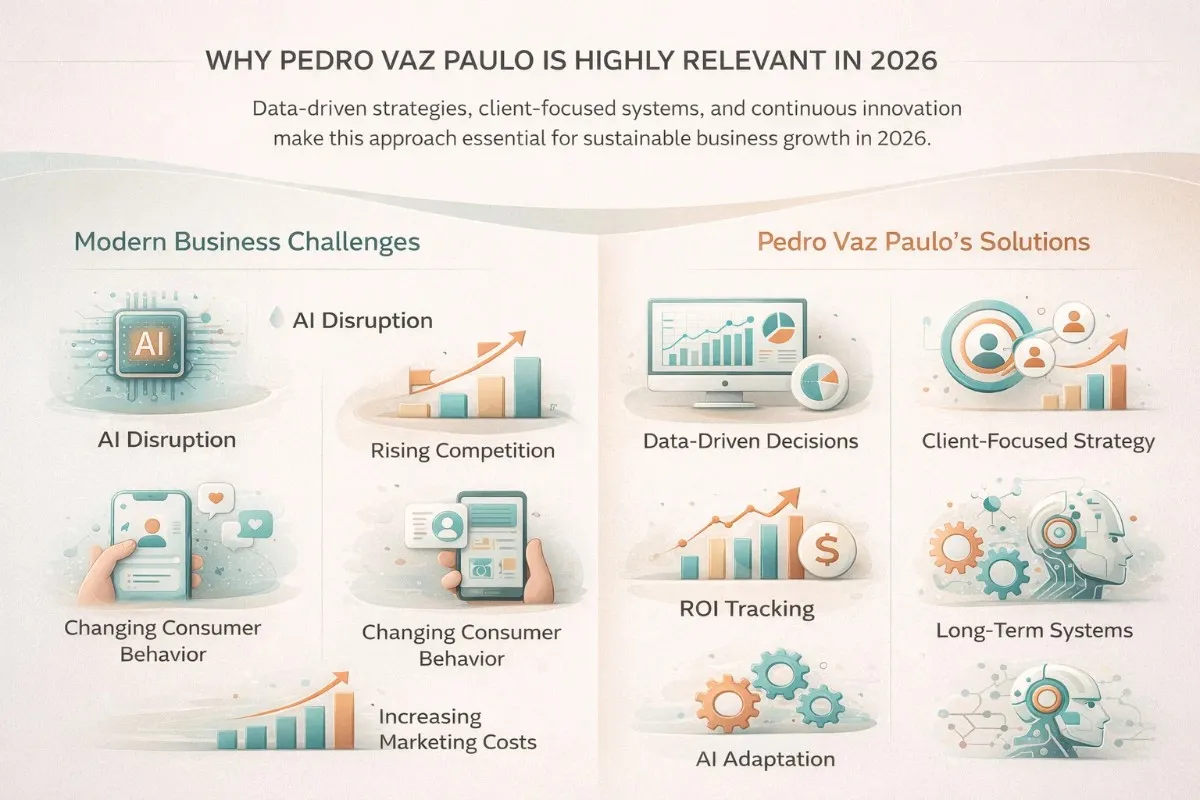
Modern businesses face a range of challenges, including AI disruption, increased competition, changing consumer behavior, and rising marketing costs. Pedro Vaz Paulo’s framework is designed to address these issues through data-driven, client-focused strategies that prioritize measurable outcomes over guesswork.
His approach remains highly effective because it aligns marketing efforts with core business goals, emphasizes ROI and performance tracking, builds long-term systems rather than relying on short-term tactics, and continuously adapts to emerging technologies such as AI.
Core Principles Behind Pedro Vaz Paulo’s Framework
Strategy Before Execution
One of the biggest mistakes businesses make is jumping into marketing without a clear strategy. Pedro Vaz Paulo emphasizes the importance of market positioning, audience clarity, and clearly defined business objectives. His consulting process begins with research and discovery before any execution. This ensures every action is aligned with long-term goals and delivers meaningful results.
Data-Driven Decision Making
Pedro Vaz Paulo believes that every business decision should be backed by data rather than assumptions. His approach includes KPI tracking, analytics dashboards, and continuous performance monitoring. These tools provide clear insights into what is working and what needs improvement. As a result, businesses can optimize campaigns and consistently improve their return on investment.
Client-Centric Marketing Systems
His framework focuses heavily on understanding and effectively serving the customer. This includes customer journey mapping, audience segmentation, and personalized messaging. By tailoring strategies to audience needs, businesses can build stronger connections. This approach helps convert attention into long-term customer relationships and increased revenue.
Scalable Systems Over Manual Effort
Instead of relying on one-time efforts, Pedro Vaz Paulo emphasizes building scalable systems. These include marketing funnels, automation tools, and repeatable processes. Such systems allow businesses to grow without constantly increasing manual workload. This creates a more predictable and efficient path to expansion.
Continuous Optimization & Growth
Marketing is an ongoing process that requires constant improvement and adaptation. His framework includes A/B testing, campaign optimization, and regular performance reviews. These practices help identify opportunities for better results over time. This iterative approach ensures sustained growth and adaptability in changing markets.
The Pedro Vaz Paulo Growth Framework
This framework integrates both business strategy and marketing execution.
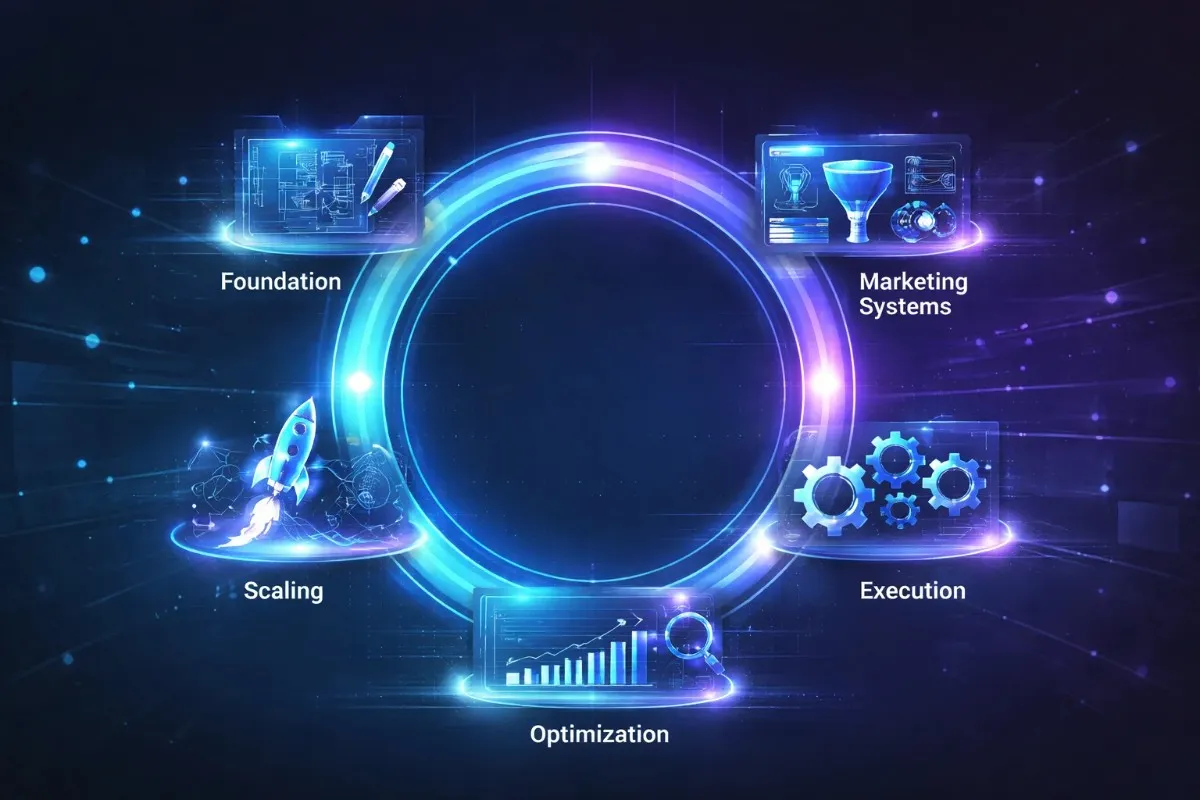
Phase 1: Business Foundation & Market Clarity
It focuses on building a strong business foundation and achieving clear market positioning. This includes defining your value proposition, analyzing competitors, and identifying target audience segments to better understand your market position. These steps help create a clear direction for future strategies. This phase closely mirrors the initial audit and market research process used in his consulting approach.
Phase 2: Strategic Marketing System Design
This phase focuses on executing marketing strategies by building effective marketing funnels, developing structured content strategies, and selecting the most suitable channels, such as SEO, PPC, and social media. Each element works together to attract, engage, and convert the target audience.
Phase 3: Execution & Implementation
This stage focuses on putting plans into action by launching campaigns, creating content, and running paid advertising across selected channels. It is the point at which strategic ideas are translated into concrete, measurable actions. Each action is designed to reach target audiences and drive engagement. Ultimately, this is where strategy begins to deliver tangible results.
Phase 4: Performance Tracking & Optimization
This phase focuses on monitoring conversions, analyzing engagement metrics, and continuously optimizing campaigns to improve performance. By closely tracking results, businesses can identify what is working and where adjustments are needed.
Phase 5: Scaling & Expansion
This stage focuses on scaling growth by expanding into new markets and reaching a broader audience. Businesses also increase marketing investment strategically to maximize returns and support expansion efforts. At the same time, implementing advanced automation and AI tools improves efficiency and streamlines operations. Together, these actions enable sustainable and scalable business growth.
How Marketing Consulting Fits Into the Bigger Picture
Marketing consulting is far more than a standalone activity; it is a critical cog in a larger, interconnected business system. Pedro Vaz Paulo’s consulting approach exemplifies this by integrating core disciplines such as branding and positioning, SEO, content marketing, paid advertising strategies, and funnel optimization into a cohesive framework.
By aligning these diverse elements, the methodology ensures that businesses don’t just increase their visibility but also consistently generate high-quality leads, improve conversion rates, and ultimately maximize their ROI.
Timeless Leadership Lessons from Pedro Vaz Paulo
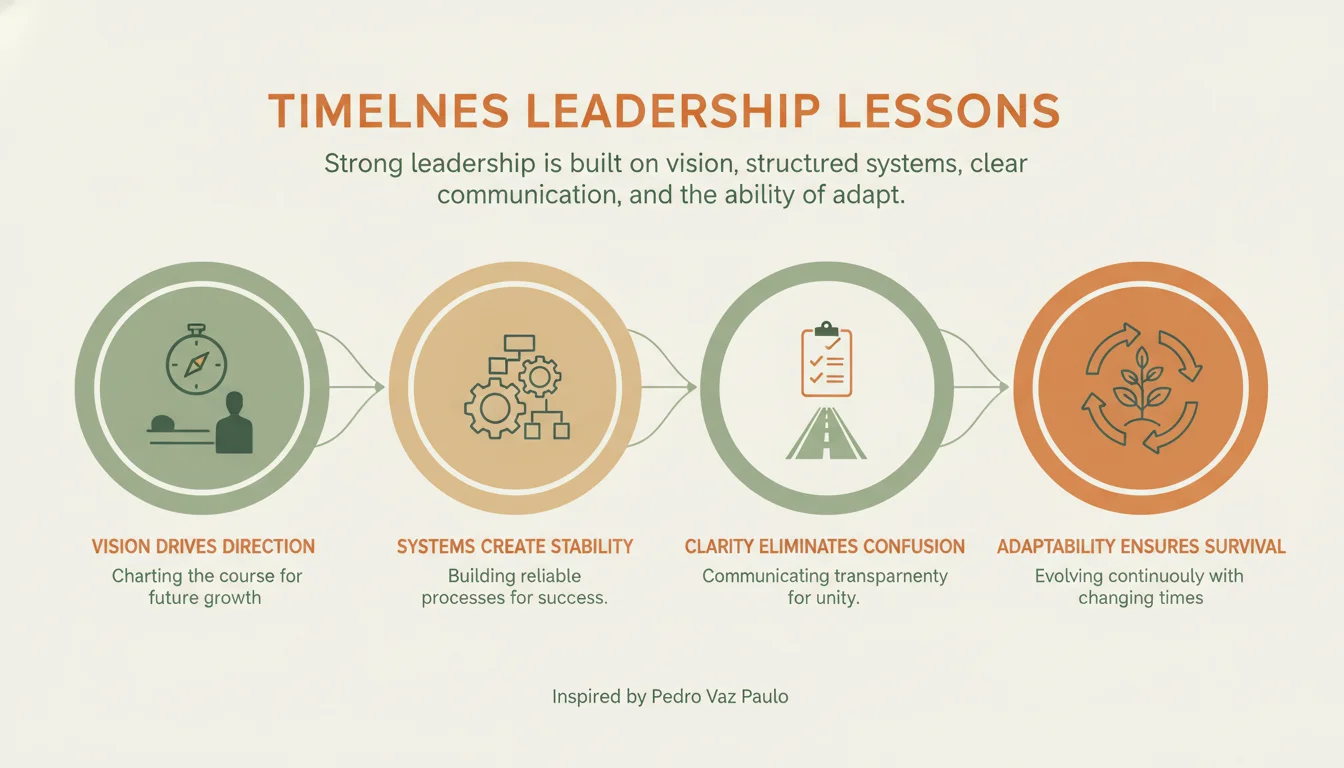
Vision Drives Direction
True leadership requires a perspective that transcends the immediate allure of quarterly profits and short-term gains. By focusing on long-term positioning, a leader serves as a navigator, steering the organization toward a sustainable, impactful future.
This visionary approach ensures that every tactical move serves a larger purpose, giving the team a meaningful why for their daily efforts. When a clear vision is established, it transforms a simple business objective into a shared mission that inspires loyalty and persistence.
Systems Create Stability
The strength of a sustainable business is measured by its ability to function effectively without depending on any single individual. By building robust processes and integrated systems, leaders ensure that institutional knowledge is preserved and operations remain consistent during transitions.
This structural stability allows the organization to scale predictably and withstand the loss of key personnel without a dip in performance. Ultimately, a system-oriented culture empowers every team member to excel within a framework designed for collective success.
Clarity Eliminates Confusion
A clear, well-communicated strategy serves as the ultimate filter for decision-making and execution across all levels of an organization. When leadership eliminates ambiguity, team members can act with confidence, knowing exactly how their tasks align with the company’s primary goals.
This transparency reduces the friction of second-guessing and ensures that resources are never wasted on misaligned initiatives. High-performance environments are built on this foundation of clarity, where focused execution becomes the natural byproduct of a shared understanding.
Adaptability Ensures Survival
In a global marketplace defined by constant shifts and technological disruptions, the ability to evolve is a non-negotiable trait for survival. Leaders must foster a culture that remains agile, viewing market changes as opportunities for innovation rather than threats to the status quo.
Businesses that cling too closely to the way things have always been done risk becoming obsolete as consumer behavior and industry standards evolve. Mastery of adaptability ensures that an organization remains relevant, resilient, and ready to thrive in any economic climate.
How to Apply Pedro Vaz Paulo’s Strategy in Your Business
Step 1: Build Strategic Clarity
The foundation of any successful venture begins with establishing absolute strategic clarity. This process requires a deep dive into defining your specific target audience to ensure your efforts are directed at those most likely to engage.
Simultaneously, you must articulate a compelling value proposition that distinguishes your brand from competitors while aligning your immediate actions with overarching business goals. Without this initial blueprint, marketing efforts often become fragmented and lose their ability to drive meaningful impact.
Step 2: Implement Marketing Systems
Once the strategy is set, the focus shifts to building the infrastructure necessary to execute that vision through integrated marketing systems. This involves creating sophisticated sales funnels that guide prospects seamlessly from awareness to conversion.
A robust content strategy is then developed to provide value at every touchpoint, supported by the tactical launch of multi-channel campaigns. These systems transform abstract ideas into a repeatable engine for growth, ensuring that your message reaches the right people at the right time.
Step 3: Track and Measure Performance
To ensure long-term success, a leader must rigorously track and measure performance to transition from guesswork to data-driven decision-making. By consistently monitoring Key Performance Indicators (KPIs), you gain a transparent view of which initiatives are yielding results and which require adjustment.
Analyzing campaign data allows you to identify trends and bottlenecks, providing the insights needed to continuously optimize your approach. This analytical rigor ensures that every dollar spent is an investment toward a proven outcome.
Step 4: Focus on Customer Experience
A sustainable business is built on the strength of its relationships, making a relentless focus on the customer experience a top priority. This involves continually seeking ways to improve engagement and ensuring every interaction feels meaningful to the end user.
By personalizing communication and addressing individual pain points, you move beyond transactional selling and begin to build genuine trust. This emotional connection creates brand advocates who are more likely to remain loyal and refer others to your business.
Step 5: Scale Strategically
The final phase of the process is to scale strategically by amplifying the elements of your business that have proven to be successful. Rather than spreading resources thin, focus on expanding high-performing campaigns and investing in automation to handle increased volume without sacrificing quality.
Leveraging modern AI tools can further streamline operations and provide predictive insights that fuel smarter growth. This disciplined approach to scaling ensures the organization grows profitably and sustainably over the long term.
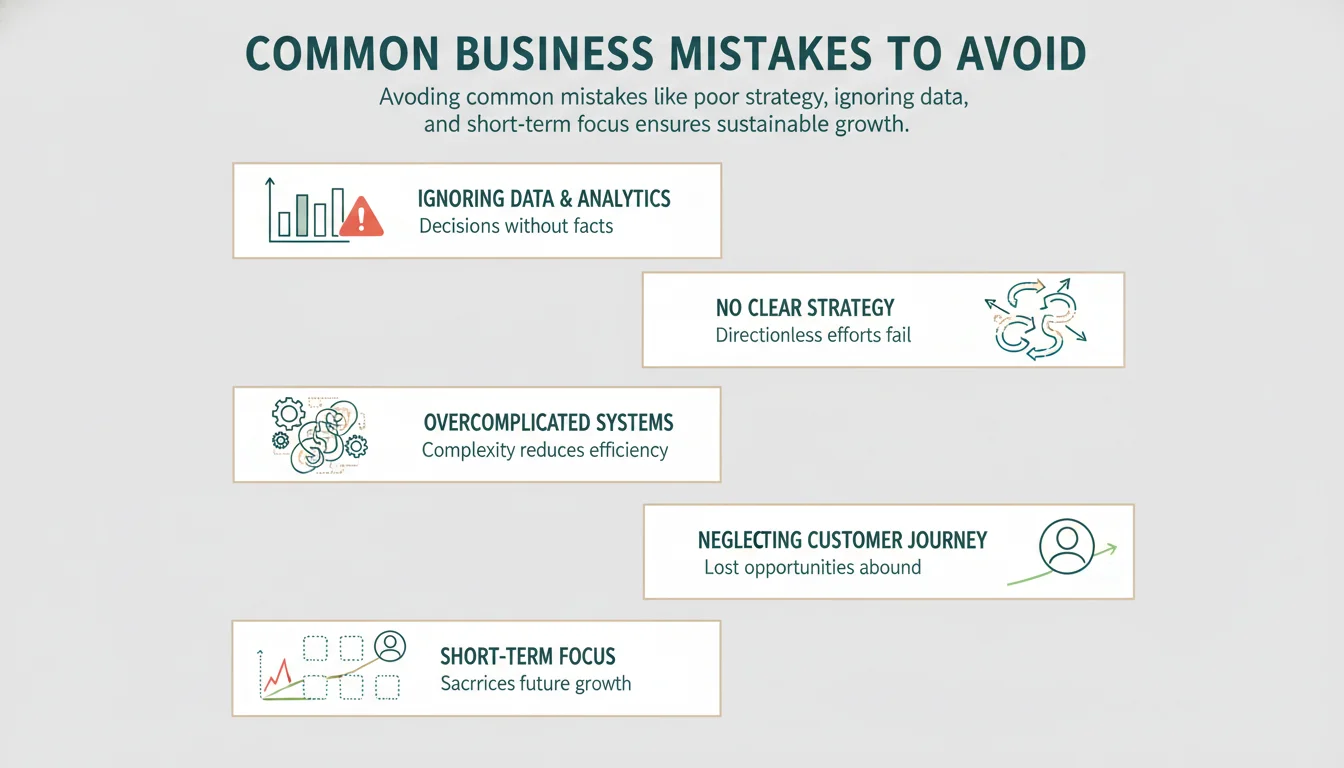
Common Mistakes Businesses Must Avoid
Achieving long-term success requires a disciplined approach to operations, beginning with avoiding critical pitfalls such as ignoring data and analytics. Many businesses falter by running disjointed campaigns without a unifying strategy or overcomplicating their internal systems to the point of inefficiency.
Furthermore, neglecting the nuances of the customer journey and focusing exclusively on short-term gains can erode brand equity and stall sustainable growth. By identifying and systematically eliminating these common mistakes, an organization can build a more resilient and data-driven foundation for the future.
Conclusion
The core of Pedro Vaz Paulo’s success is found in his unique ability to bridge the gap between high-level strategy and practical execution. Rather than chasing fleeting trends, his framework prioritizes building robust systems designed to evolve with shifting market dynamics.
By anchoring a business in strategic clarity and moving toward data-driven decision-making, the model replaces guesswork with precision. When these elements are combined with scalable systems and a commitment to continuous optimization, organizations can move beyond sporadic wins to achieve long-term, predictable growth.
Frequently Asked Questions (FAQs)
Who is Pedro Vaz Paulo, and what is his primary area of expertise?
Pedro Vaz Paulo is a professional business consultant specializing in the intersection of high-level strategy and practical marketing systems. His expertise lies in developing scalable growth frameworks that help organizations transition from fragmented tactics to cohesive, system-driven operations.
What core services are included in Pedrovazpaulo Marketing Consulting?
Pedrovazpaulo Marketing Consulting provides a comprehensive suite of services focused on data-driven marketing strategies, end-to-end campaign execution, and automated lead generation systems. These services are designed to ensure that marketing efforts are measurable, repeatable, and directly aligned with overall business objectives.
Can startups and small- to medium-sized enterprises (SMEs) benefit from his methodology?
Yes, the frameworks developed by Pedro Vaz Paulo are built on fundamental business principles that are highly adaptable across various organizational scales. Whether you are a startup looking to establish strategic clarity or an enterprise seeking to optimize complex systems, these strategies can be tailored to meet specific resource constraints and growth targets.
How does the Pedro Vaz Paulo framework incorporate modern technology in 2026?
The framework remains essential in 2026 by seamlessly integrating emerging technologies such as agentic AI, advanced automation, and real-time data analytics into traditional business strategy. This approach ensures that businesses aren’t just using new tools for novelty’s sake but are leveraging them to make smarter, faster, and more predictive decisions.
What is the ultimate goal of implementing these strategic marketing systems?
The primary objective is to move away from relying on short-term market trends and instead build a resilient infrastructure that achieves long-term, predictable growth. By focusing on continuous optimization and strategic clarity, the framework helps businesses increase their visibility, improve conversion rates, and maximize their total return on investment.