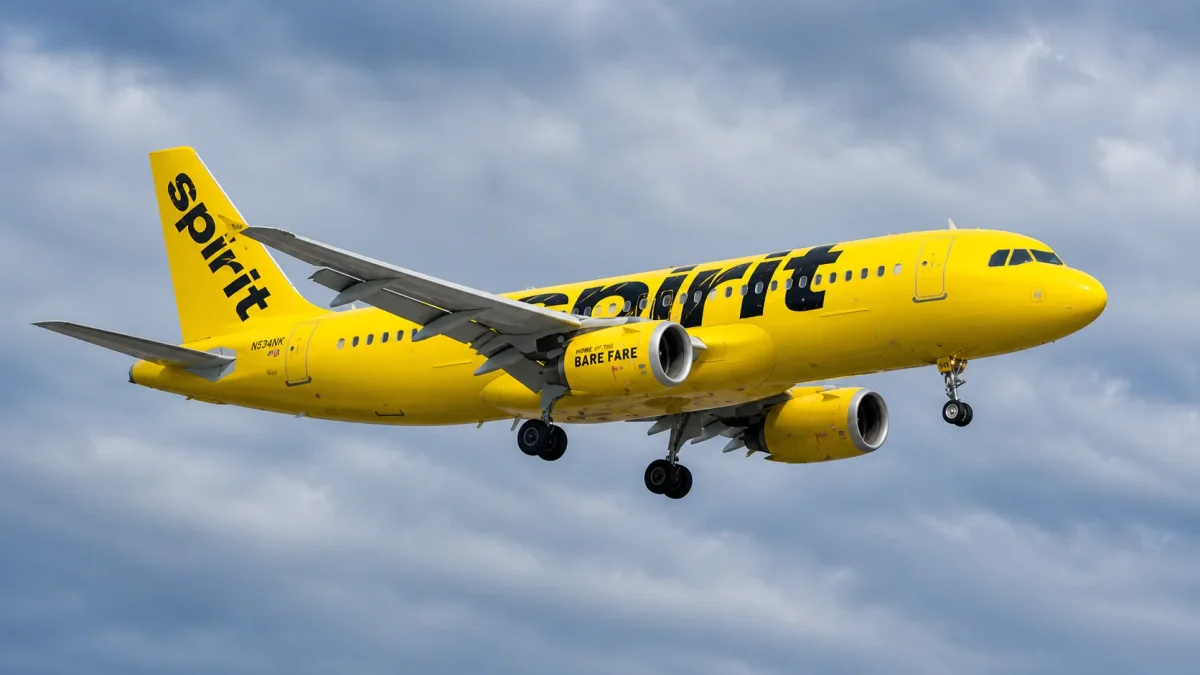
The latest developments around Spirit Airlines have raised fresh concerns across the aviation industry. A new report highlights multiple operational and financial challenges that could shape the airline’s future. As travelers seek affordable flight options, these issues are not just corporate problems; they directly affect passengers, employees, and the broader airline market.
In recent months, Spirit Airlines has been under intense scrutiny. From financial instability to service disruptions, the company is facing a critical moment that may define its long-term survival. Here’s a deeper look into the five serious issues outlined in the report and what they mean moving forward.
5 Serious Issues of Spirit Airlines
1. Financial Pressure and Rising Debt
One of the most pressing issues facing Spirit Airlines is its financial health. The report indicates rising debt levels alongside shrinking profit margins. Like many low-cost carriers, Spirit Airlines depends on high passenger volume and low operating costs. However, rising fuel prices and inflation have made that model harder to sustain. The airline has also struggled to generate consistent revenue.
While ticket prices remain competitive, additional fees are not performing as expected once a strong revenue stream is established due to changing customer behavior. Travelers are becoming more cautious about extra charges, reducing ancillary income. This financial pressure raises questions about whether Spirit Airlines can maintain its ultra-low-cost business model without significant restructuring.
Read more: GoMyFinance Invest

2. Operational Disruptions and Delays
Another major concern highlighted in the report is operational reliability. Spirit Airlines has experienced frequent delays and cancellations, leading to passenger frustration. These disruptions are often linked to staffing shortages, technical issues, and tight scheduling. In the competitive airline industry, reliability is crucial. Even budget-conscious travelers expect a certain level of service consistency.
When flights are delayed or canceled, it damages customer trust and impacts brand reputation. The report suggests that unless Spirit Airlines improves its operational efficiency, it risks losing a significant portion of its customer base to more reliable competitors.
3. Customer Satisfaction Decline
Customer satisfaction is another area where Spirit Airlines is struggling. Surveys and feedback data indicate a noticeable decline in passenger satisfaction. Complaints often center around hidden fees, limited customer support, and uncomfortable seating. While Spirit Airlines has always positioned itself as a no-frills airline, today’s travelers expect transparency and basic comfort.
The gap between expectations and reality is becoming more visible. Negative reviews and social media criticism further amplify this issue. In a digital age where customer feedback spreads quickly, maintaining a positive image is more important than ever.
4. Competitive Pressure in the Market
The airline industry is becoming increasingly competitive, especially in the low-cost segment. Spirit Airlines now faces strong competition from both traditional airlines offering budget options and newer low-cost carriers entering the market. Major airlines are adapting their pricing strategies, making it harder for Spirit Airlines to stand out purely on cost.
Additionally, competitors are improving customer experience while keeping fares relatively low, creating a challenging environment. This competitive pressure forces Spirit Airlines to rethink its positioning. Simply being the cheapest option may no longer be enough to attract and retain customers.
Read more: Delta Air Lines

5. Strategic Uncertainty and Future Risks
Perhaps the most concerning issue is the uncertainty surrounding Spirit Airlines’ future strategy. The report points to unclear long-term planning and potential risks from mergers, restructuring, or operational changes. There have been ongoing discussions in the industry about consolidation and partnerships.
For Spirit Airlines, making the right strategic decisions is critical. A wrong move could further weaken its market position. At the same time, external factors such as economic slowdown, fuel price volatility, and regulatory changes add to the uncertainty. These risks make it essential for the airline to act quickly and decisively.
What This Means for Travelers and the Industry
For passengers, these developments may lead to changes in ticket pricing, route availability, and overall travel experience. While Spirit Airlines may continue to offer low fares, the reliability and service quality could fluctuate in the short term. For the airline industry, the situation highlights the challenges of sustaining a low-cost model in a rapidly evolving market.
Other carriers are likely watching closely, as Spirit Airlines’ response could influence broader industry trends. Travelers should stay informed and flexible when booking flights, especially with airlines undergoing operational or financial changes.
Read more: Capital One Settlement
 Conclusion
 Conclusion
Spirit Airlines is at a turning point. The five serious issues outlined in the report, financial pressure, operational disruptions, declining customer satisfaction, rising competition, and strategic uncertainty, paint a complex picture. However, challenges also create opportunities.
If Spirit Airlines can address these problems with effective strategies, improved operations, and a stronger focus on customer experience, it still has the potential to recover and grow. For now, all eyes remain on how Spirit Airlines navigates this difficult phase. The coming months will be crucial in determining whether the airline can stabilize its operations and regain trust in an increasingly competitive aviation landscape.