
In a major milestone for commercial aviation, Delta Air Lines is preparing to become the first U.S. carrier to operate the next-generation Airbus A350-1000, marking a significant leap in fleet modernization and passenger experience. The move comes as the airline simultaneously rolls out operational changes across key international hubs, signaling a broader transformation strategy.
A Historic Step for Delta Air Lines
Delta Air Lines is positioning itself at the forefront of long-haul aviation by introducing the Airbus A350-1000, one of the largest and most advanced widebody aircraft in the world. The aircraft is expected to join the airline’s fleet in the coming years, bringing enhanced fuel efficiency, extended range, and upgraded onboard amenities.
This development will make Delta Air Lines the first U.S.-based airline to deploy the A350-1000, strengthening its competitive edge against global carriers already investing in next-generation aircraft.
Industry analysts view this as a strategic move to improve premium travel offerings, particularly with the introduction of upgraded Delta One suites and modern cabin configurations for long-haul routes.
Operational Changes at Frankfurt Signal Expansion Strategy
While Delta prepares for the A350-1000 rollout, it is already making critical adjustments at major international hubs, such as Frankfurt Airport.
According to a recent report, the airline has urged passengers to plan ahead for upcoming changes starting May 19, 2026. These changes include shifting all Delta departures to Terminal 3, a move intended to streamline operations and enhance passenger flow.
The advisory highlights the airline’s focus on improving efficiency at one of Europe’s busiest transit hubs. Travelers are encouraged to allow extra time for navigation, check-in, and security procedures as the transition takes effect.
Read more: Ken Goldin Net Worth

Why the A350-1000 Matters
The Airbus A350-1000 represents a new era in aviation technology. Compared to earlier models, it offers:
- Greater passenger capacity
- Improved fuel efficiency and reduced emissions
- Longer range for ultra-long-haul routes
- Enhanced cabin comfort and quieter interiors
For Delta Air Lines, this aircraft is more than just a fleet upgrade; it’s a strategic investment in sustainability and premium service. The airline has already built a reputation for innovation with its A350 fleet, which features advanced in-flight entertainment and premium seating options.
Passenger Experience Set for Transformation
The introduction of the A350-1000 is expected to elevate the overall travel experience. New Delta One suites will feature enhanced privacy, upgraded seating, and modern design elements tailored for international travelers.
Combined with operational upgrades at major hubs like Frankfurt Airport, Delta Air Lines is clearly aligning its infrastructure and fleet to meet growing global demand.
Challenges and Industry Context
Despite these advancements, Delta Air Lines is navigating a complex aviation landscape marked by rising fuel costs and operational uncertainties. Industry-wide adjustments, including route changes and pricing strategies, highlight the need for efficiency and innovation.
The airline’s dual focus on cutting-edge aircraft and optimized airport operations reflects a broader effort to stay competitive while addressing economic pressures.
Read more: David Sacks Net Worth
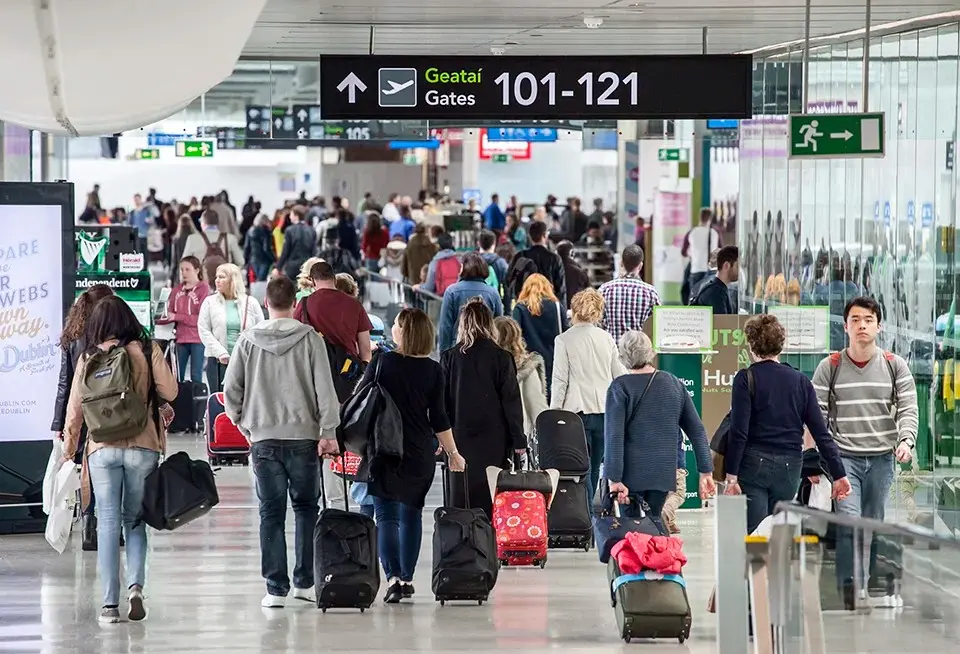
What This Means for Travelers
For passengers, the changes bring both opportunities and adjustments:
- Short-term: Plan ahead for airport transitions, especially at Frankfurt.
- Long-term: Expect improved comfort, better connectivity, and enhanced premium services.
- Future routes: Potential expansion of ultra-long-haul destinations with the A350-1000.
Delta Air’s Vice President’s Statement
Final Thoughts
Delta Air Lines is entering a pivotal phase of growth and innovation. By becoming the first U.S. airline to operate the Airbus A350-1000 and simultaneously upgrading operations at key hubs, the carrier is redefining its global strategy.
As aviation continues to evolve, Delta Air Lines is betting big on technology, efficiency, and passenger experience, setting a new benchmark for the future of international travel.