The rapid spread of the bitcoin atm industry across the United States is now triggering a political and consumer-protection backlash as lawmakers warn that cryptocurrency kiosks have become one of the fastest-growing tools for financial scams.
Minnesota recently became one of the latest states to crack down on cryptocurrency ATM operations, after state lawmakers approved legislation banning crypto kiosks, a move that Governor Tim Walz signed into law on May 5. Supporters of the measure argue that the machines have increasingly been used by scammers targeting elderly Americans and first-time crypto users.
According to reports, the FBI recorded hundreds of millions of dollars in losses tied to cryptocurrency ATM fraud in recent years. Victims are often instructed by scammers to withdraw cash from their bank accounts and deposit it directly into bitcoin ATMs, where the funds are converted to cryptocurrency and transferred almost instantly.
Why Bitcoin ATM Fraud Is Growing
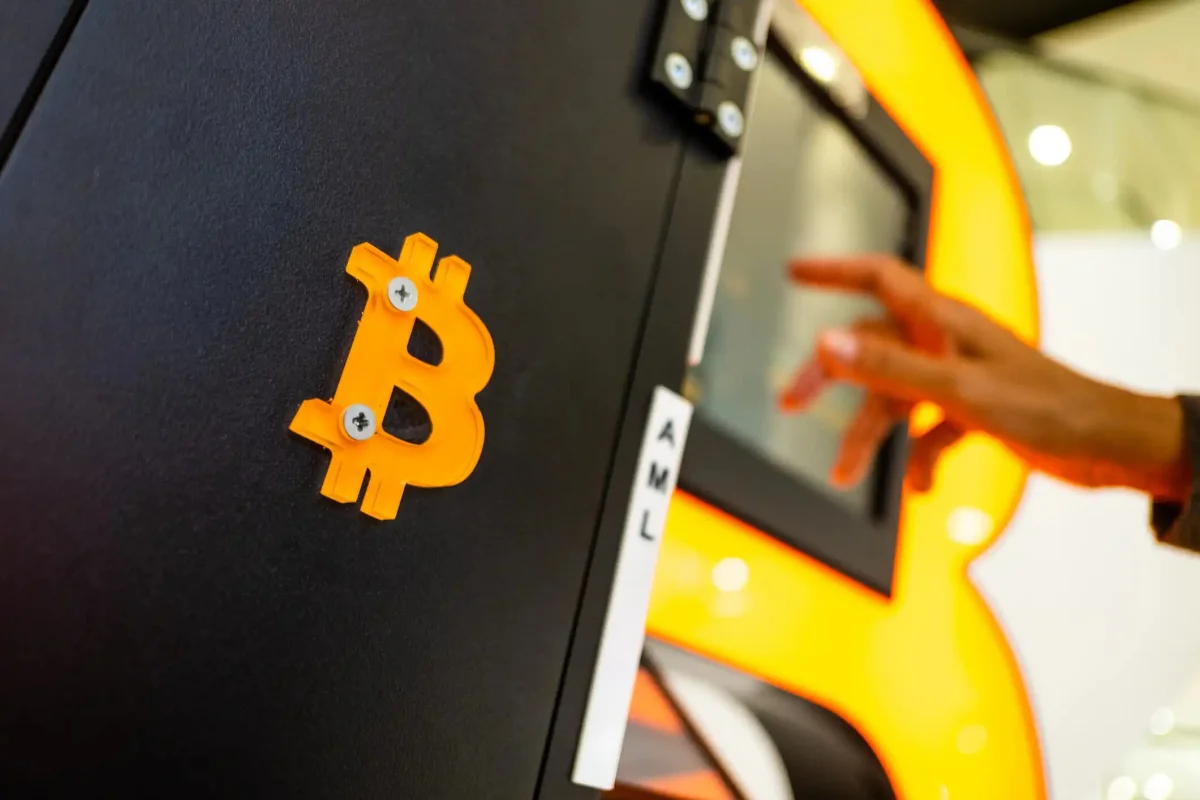
A bitcoin ATM functions similarly to a traditional cash kiosk, but instead of dispensing currency from a bank account, it allows users to buy cryptocurrencies such as Bitcoin or Ethereum using cash or debit cards. Some machines also allow users to sell crypto for cash.
Law enforcement agencies say these machines have become attractive to criminals because transactions are difficult to reverse and often involve limited human oversight. Fraud experts warn that many victims mistakenly believe bitcoin ATMs offer protections similar to those in traditional banking systems, only to discover later that crypto transfers are largely irreversible. Scams linked to cryptocurrency kiosks commonly include:
- Government impersonation fraud
- Romance scams
- Tech-support scams
- Investment fraud schemes
- Fake emergency requests
In many cases, scammers stay on the phone with victims, guiding them step by step through a bitcoin ATM transaction.
Consumer advocates say older Americans are especially vulnerable. FBI data shows that Americans aged 60 and older reported losses of more than $257 million from cryptocurrency kiosks.
Read more: OpenAI’s Courtroom Crisis
States Are Beginning to Fight Back
Minnesota’s action reflects a wider national trend. Tennessee recently passed legislation banning crypto ATMs beginning July 1, 2026, becoming another state to impose major restrictions on the machines.
Indiana lawmakers have also explored similar measures as pressure mounts on regulators and operators. Meanwhile, Canada is considering a nationwide ban on crypto ATMs after officials linked the machines to fraud and money laundering concerns.
Experts say regulators are increasingly focused on bitcoin ATM networks because the machines are highly visible and easier for the public to understand than more complex parts of the cryptocurrency industry.
Unlike decentralized finance platforms or blockchain-based financial products, crypto ATMs physically exist in convenience stores, gas stations, malls, and grocery outlets, making them a visible target for lawmakers responding to public complaints.
Operators Defend the Industry
Cryptocurrency ATM companies argue that most users operate legally and responsibly. Major operators, including CoinFlip, Bitcoin Depot, and Athena Bitcoin, have stated that they provide warnings, compliance systems, and anti-fraud measures. However, critics argue that those safeguards have not been enough.
Court filings and investigations cited in recent reports alleged that some operators processed large volumes of scam-related transactions. One lawsuit against Athena Bitcoin claimed that a significant percentage of deposits were linked to fraudulent activity, though the company denied wrongdoing and said it maintains strong protections for users.
Industry defenders also argue that banning bitcoin ATMs could harm legitimate crypto users, particularly people without easy access to traditional banking systems.
Read more: IREN Stock Surges After Nvidia’s Massive AI Infrastructure Bet
The Bigger Debate Around Cryptocurrency Regulation
The crackdown on bitcoin ATMs highlights a broader debate over cryptocurrency regulation in the United States.
Supporters of crypto technology say digital assets remain an important innovation for decentralized finance, cross-border payments, and financial inclusion. Critics, however, warn that weak oversight has allowed scams, money laundering, and market manipulation to grow rapidly alongside adoption.
Researchers and financial crime analysts have repeatedly documented how fraud schemes evolve within cryptocurrency ecosystems, including fake tokens, Ponzi-style operations, and pump-and-dump manipulation campaigns.
For lawmakers, bitcoin ATMs have become one of the easiest targets in the broader crypto debate because they directly connect physical cash to largely irreversible digital transactions.
What Consumers Should Know
Fraud investigators say consumers should never send cryptocurrency to anyone demanding an urgent payment at a Bitcoin ATM. Government agencies, legitimate tech companies, and banks do not request payments through cryptocurrency kiosks. Experts recommend taking these precautions before using a Bitcoin ATM:
- Verify the recipient independently.
- Never act under pressure or threats.
- Avoid transactions requested by strangers online.
- Contact family or local authorities before sending large sums.
- Research transaction fees and company policies carefully.
As states continue debating restrictions and bans, the future of bitcoin ATM networks in the U.S. may depend on whether operators can prove they can stop the wave of scams tied to the machines. For now, regulators increasingly see the kiosks not as financial innovation, but as a growing public safety issue.