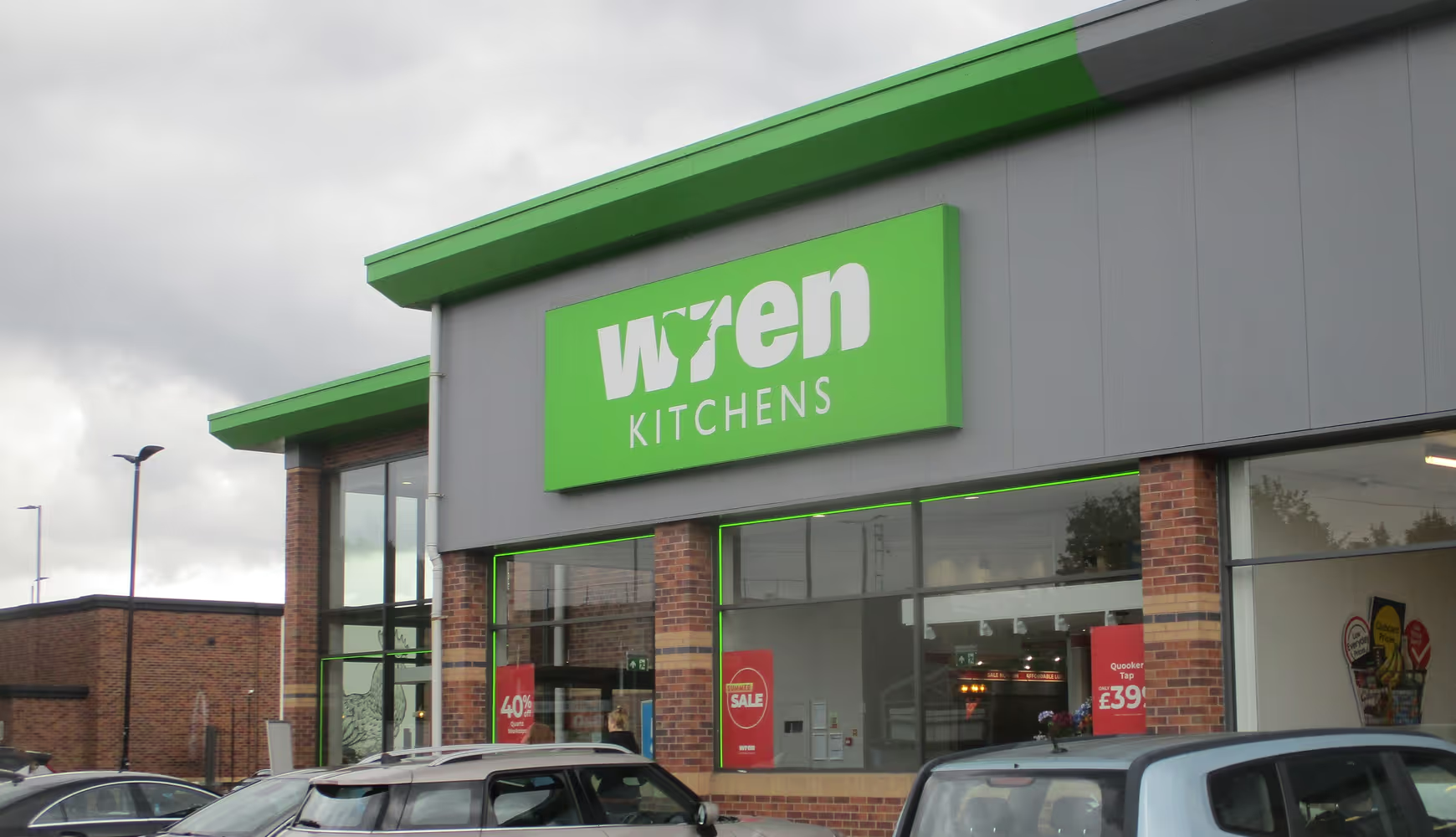
Wren Kitchens Chapter 7 bankruptcy filing in the United States has shocked customers, employees, and the wider home improvement industry. Many shoppers who invested thousands of dollars in kitchen remodels are now facing uncertainty after showroom closures left projects unfinished and disrupted communication channels.
The news has sparked urgent questions: What happens to paid deposits? Will pending kitchen installations move forward? Are employees permanently out of work? As the company’s U.S. division enters liquidation, the impact is being felt far beyond its showroom floors.
Wren Kitchens Chapter 7 Bankruptcy Explained
Wren Kitchens, a major UK-based kitchen retailer, expanded into the U.S. market with ambitious plans and multiple showrooms. Despite its strong reputation in Britain, its American operation reportedly struggled with rising operational costs, market pressures, and shifting consumer demand.
Under Chapter 7 bankruptcy, a company’s assets are typically liquidated to pay creditors rather than reorganized. This means Wren Kitchens’ U.S. business is shutting down instead of restructuring. For customers, this distinction is critical because Chapter 7 often leaves fewer options for recovering losses compared to Chapter 11.
While Wren’s UK business may continue operating separately, the Chapter 7 filing specifically affects U.S. operations, including local showrooms, orders, and staffing.
Read more: Low-Calorie Pizza Recipes
How Wren Kitchens Chapter 7 Affects Customers
For many customers, the biggest concern is existing orders. Some had already paid deposits, while others were waiting for design approvals, product deliveries, or installation dates when showrooms suddenly closed.
If your kitchen order was not fulfilled before the bankruptcy filing, your next steps may depend on the payment method and order status. Customers who pay by credit card may have stronger protection through chargebacks or purchase dispute rights. Those who used debit cards, financing agreements, or cash deposits may face more difficulty.
In many Chapter 7 cases, customers become unsecured creditors. This means they may file for bankruptcy, but repayment often depends on the assets remaining after secured creditors are paid.
Customers should immediately gather receipts, contracts, order confirmations, and payment records. Contacting your card issuer, financing provider, or state consumer protection office can also improve your chances of recovering money.
Read more: Business Shopnaclo Worth
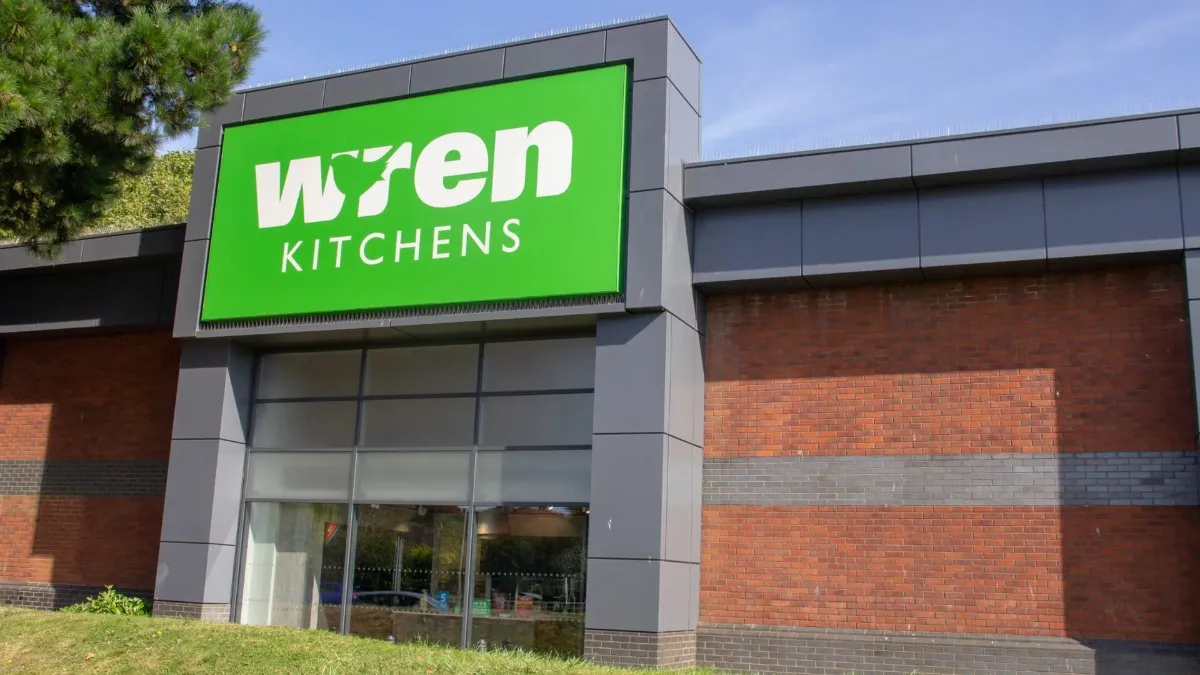
Wren Kitchens Chapter 7 and Existing Orders
One of the most pressing issues is whether unfinished kitchens will ever be delivered or installed. If products were already manufactured or shipped, outcomes may vary depending on logistics partners or warehouse status.
Some customers may receive partial deliveries, while others may have orders canceled. Installation contracts handled through third-party contractors may also create confusion, especially if contractors are unpaid or disconnected from the liquidation process.
If you are affected, reaching out to local warehouse providers or contractors may help clarify the situation. In some situations, customers may need to hire independent installers to complete projects using materials that have already been delivered.
This situation highlights the importance of reviewing supplier agreements and determining whether installation, manufacturing, and delivery are bundled or contracted separately.
Wren Kitchens Chapter 7 Impact on Employees
Employees are also facing major disruption. Showroom workers, designers, administrative staff, and installers may suddenly lose jobs as locations close.
In Chapter 7 liquidation, layoffs often happen quickly. Workers may be entitled to unpaid wages or benefits, but these claims are handled through bankruptcy proceedings. Access to severance pay may depend on company resources and legal obligations.
For former employees, filing unemployment claims immediately is essential. They should also review final paychecks, retirement accounts, and healthcare continuation options.
The broader concern is how this affects the U.S. kitchen retail market. Wren’s collapse could increase caution among consumers considering large renovation purchases and may push competitors to emphasize financial stability and customer guarantees.
Read more: Capital One Settlement Approved

Why Wren Kitchens Chapter 7 Happened
Several factors may have contributed to the bankruptcy. The U.S. housing market has seen fluctuating renovation demand amid inflation, higher borrowing costs, and shifts in consumer spending. Large showroom footprints and supply chain expenses may also have increased financial pressure.
Entering a competitive American kitchen market requires significant investment, and rapid expansion can become risky if revenue growth falls behind operational costs.
This case reflects a broader trend in which international brands sometimes struggle to replicate domestic success abroad, especially in sectors closely tied to housing cycles.
What Customers Should Do Next
If you are affected by Wren Kitchens Chapter 7, speed matters. Monitor official bankruptcy filings, check for court-appointed trustee information, and verify whether your order qualifies for recovery.
Financial experts often recommend prioritizing payment disputes before deadlines expire. Customers should also avoid relying solely on closed showroom contacts and instead focus on legal and financial channels.
For homeowners with unfinished renovations, documenting project status can also help when working with replacement suppliers or insurance providers.
Read more: Pedro Vaz Paulo Real Estate Investment
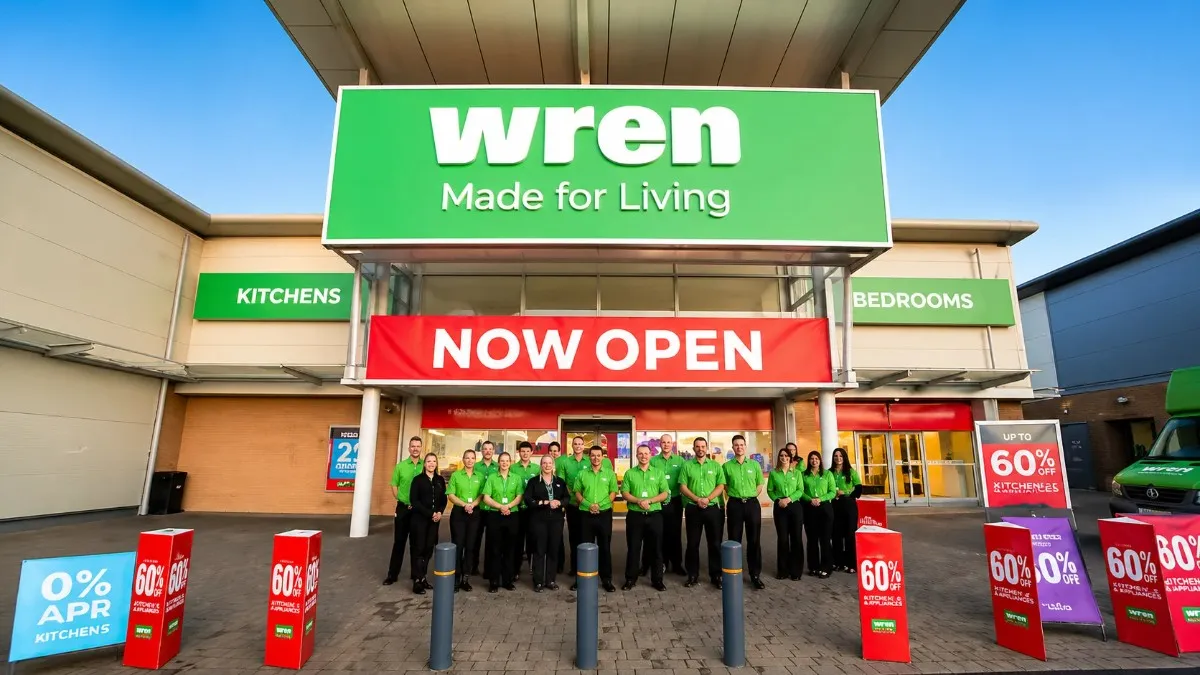
Conclusion
Wren Kitchens Chapter 7 bankruptcy is more than a business closure—it is a major disruption for customers, employees, and ongoing home projects. For customers, the focus should be on protecting payments and documenting claims. For employees, quick action on benefits and job transitions is essential.
While the company’s U.S. shutdown has created immediate confusion, informed action can reduce financial damage. The collapse also serves as a reminder that major purchases should always include payment protection, contract clarity, and contingency planning.
As this story develops, customers and workers alike should stay alert for court updates, trustee announcements, and consumer guidance. In uncertain situations like this, knowledge and swift response often make the biggest difference.