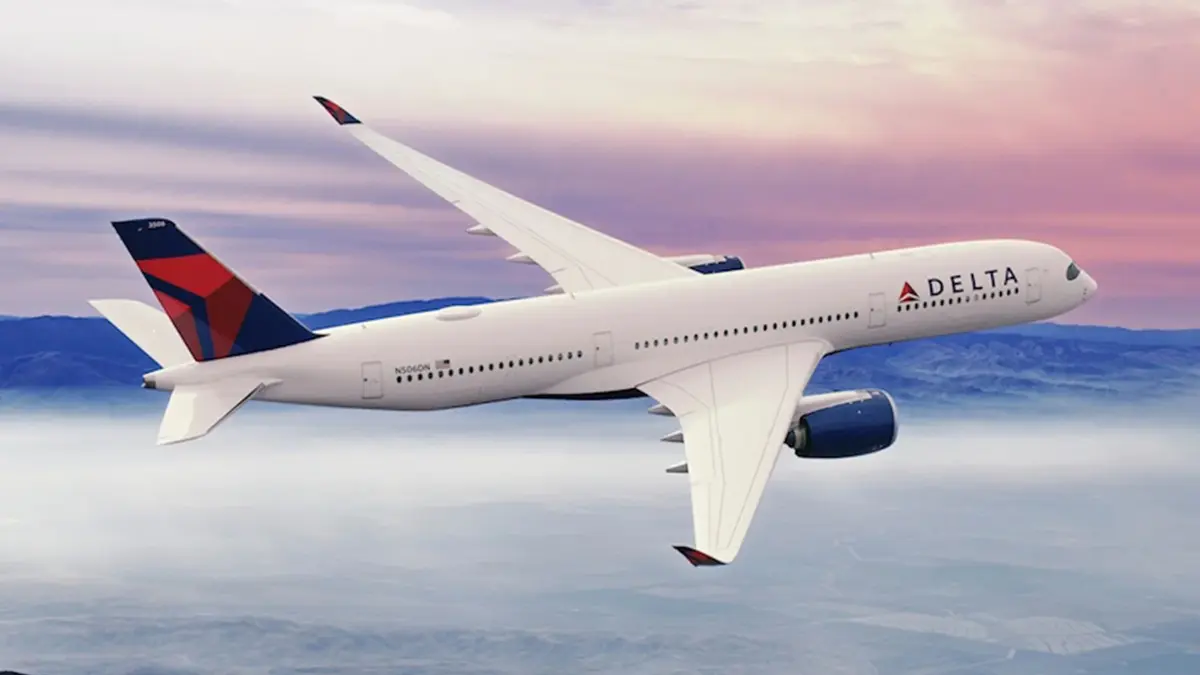
The Delta flight snack policy update is quickly becoming one of the most talked-about changes in air travel this year. Frequent flyers, casual travelers, and industry watchers are all paying close attention. What seems like a small adjustment to snacks and drinks has triggered a bigger conversation about airline service, passenger experience, and cost-cutting strategies.
In a time when travelers already feel the pressure of rising ticket prices, even minor changes on board can make a noticeable difference. Here’s a closer look at what’s happening, why it matters, and what passengers should expect next.
Read more: Delta Air Lines
What the Delta Flight Snack Policy Update Means for Travelers
The latest Delta flight snack policy update focuses on refining how and when complimentary snacks and beverages are served. According to recent reports, the airline is adjusting service for certain short-haul routes and specific seating categories. This doesn’t mean snacks are disappearing entirely. Instead, the airline is becoming more selective.
Some passengers, particularly those on shorter flights or in basic fare classes, may notice fewer offerings or limited service windows. For travelers, this change highlights a broader shift in airline operations. Carriers are now balancing customer satisfaction with operational efficiency. Even small service elements like snacks are being re-evaluated.
Why the Delta Flight Snack Policy Update Is Happening
The delta flight snack policy update is not happening in isolation. It reflects wider trends across the aviation industry. Airlines worldwide are dealing with rising fuel costs, staffing challenges, and supply chain disruptions. These pressures force companies to rethink onboard services. Reducing or modifying snack service can help cut costs without dramatically affecting ticket pricing.
Another factor is changing passenger behavior. Many travelers now bring their own food or purchase meals at airports. This shift reduces reliance on in-flight snacks, making adjustments more practical for airlines. At the same time, airlines are investing more in premium experiences. Economy passengers may see limited snack service, while premium cabins often receive upgraded options. This creates a tiered experience that aligns with different ticket prices.
Passenger Reactions to the Delta Flight Snack Policy Update
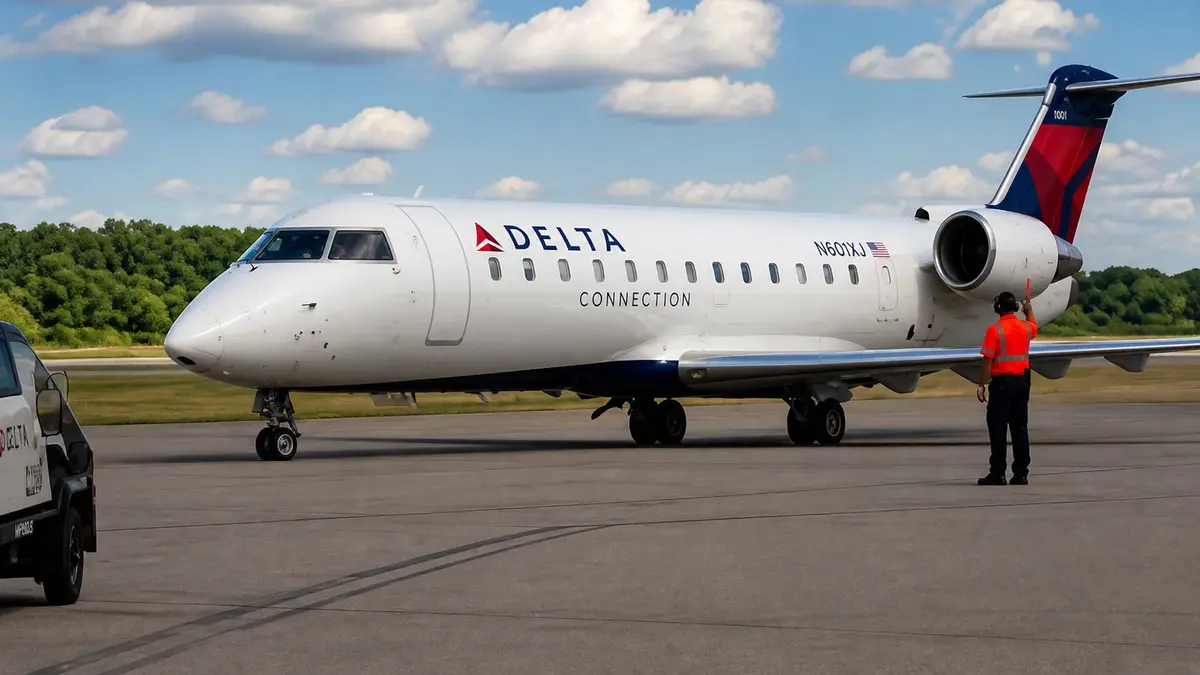
The Delta flight snack policy update has sparked mixed reactions among travelers. Some passengers understand the reasoning behind the change. They see it as a minor adjustment that won’t significantly impact their journey. For short flights, many people don’t expect full snack service anyway. However, frequent flyers and loyal customers have raised concerns.
They argue that even small perks contribute to overall comfort. Removing or limiting snacks may feel like a reduction in value, especially when ticket prices remain high. Social media discussions show a clear divide. While some users call it a “practical move,” others see it as another example of airlines cutting back on customer experience.
Read more: Spirit Airlines
How the Delta Flight Snack Policy Update Compares to Industry Trends
The Delta flight snack policy update is part of a broader pattern across major airlines. Many carriers have already adjusted their onboard services in recent years. Some reduced complimentary offerings during the pandemic and never fully restored them. Others introduced paid snack options or limited service to longer flights.
Delta’s move is not unusual. Instead, it reflects an industry-wide effort to streamline operations while maintaining profitability. What sets Delta apart, however, is its attempt to balance efficiency with brand reputation. The airline has historically positioned itself as a premium carrier. Any service change is closely watched because it affects that image.
What Travelers Should Expect Next
Looking ahead, the delta flight snack policy update may evolve further based on passenger feedback and operational needs. Airlines often test changes before making them permanent. If customers react strongly to the reduced snack service, adjustments could follow. On the other hand, if the change goes largely unnoticed, it may become standard practice. Travelers can also expect more personalization in the future.
Airlines are exploring ways to tailor services based on flight duration, passenger preferences, and ticket class. This could mean more targeted snack offerings rather than a one-size-fits-all approach. Digital ordering and meal pre-selection are also gaining popularity. These innovations could eventually replace traditional snack distribution on some routes.
Tips for Passengers Navigating the New Policy
With the delta flight snack policy update in place, travelers can take a few simple steps to ensure a smooth journey. Planning is key. Bringing your own snacks or purchasing food at the airport can help avoid surprises. Checking flight details and fare class before departure can also clarify what to expect on board. For longer flights, passengers are still likely to receive complimentary service.
However, it’s always wise to stay informed about the latest updates, as policies can vary by route and aircraft type. Being prepared ensures that small changes like this don’t disrupt your overall travel experience.
Read more: Capital One Settlement
The Bigger Picture Behind the Delta Flight Snack Policy Update
The Delta flight snack policy update highlights an important shift in how airlines operate today. Air travel is becoming more segmented. Basic fares offer fewer extras, while premium options provide enhanced comfort. This model allows airlines to cater to different budgets while maintaining profitability. At the same time, customer expectations continue to evolve.
Travelers want value, convenience, and transparency. Even small changes can influence brand perception and loyalty. For airlines, the challenge is finding the right balance. Cutting costs without compromising experience is not easy, especially in a competitive market.
Conclusion
The delta flight snack policy update may seem like a minor adjustment, but it reflects larger trends shaping the future of air travel. From cost management to changing passenger habits, this update offers insight into how airlines are adapting. For travelers, the key takeaway is simple: stay informed and plan.
While onboard snacks may vary, a little preparation ensures a comfortable journey. As the industry continues to evolve, one thing is clear: every detail matters. Even something as small as a snack can spark a major conversation about the future of flying.