A major DFW ground stop brought air travel across North Texas to a standstill Tuesday after severe thunderstorms forced the Federal Aviation Administration to halt flights headed into Dallas-area airports. The disruption quickly spread across the country, leading to hundreds of cancellations, long delays, and mounting frustration for travelers during one of the busiest travel periods ahead of Memorial Day.
According to the FAA, the temporary ground stop at Dallas/Fort Worth International Airport and Dallas Love Field was issued due to dangerous weather conditions moving across the region. The agency said thunderstorms capable of producing damaging wind gusts, hail, and lightning created unsafe flying conditions for incoming aircraft.
More Than 400 Flights Canceled at DFW Airport
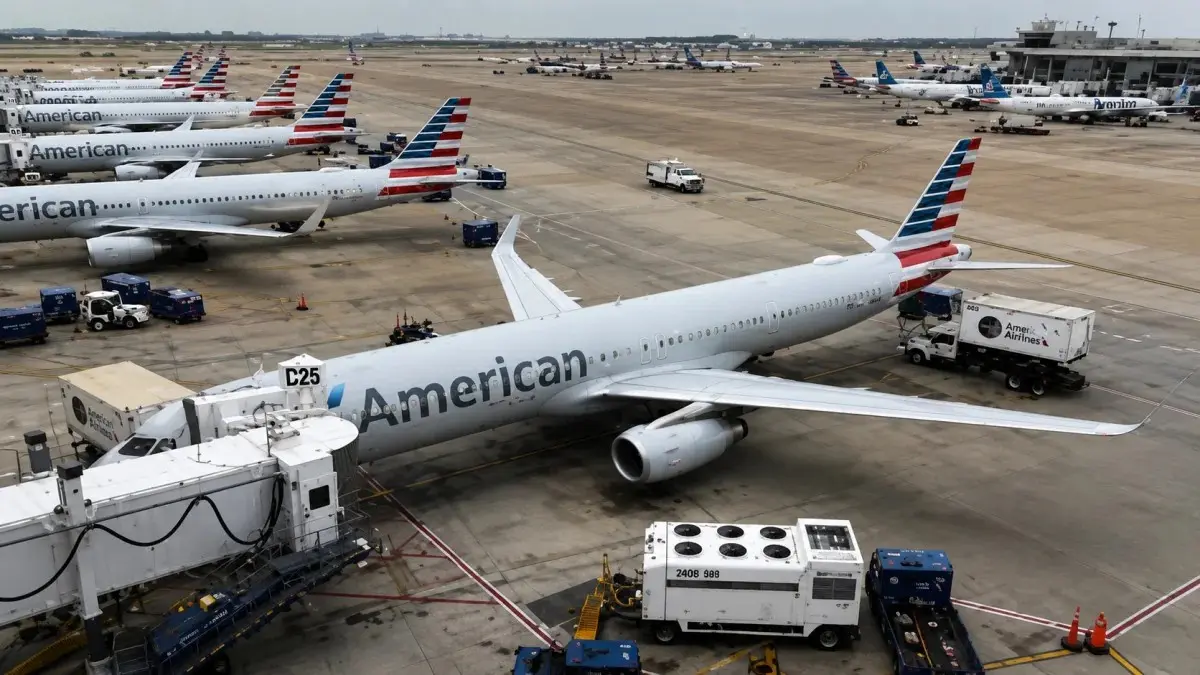
The storm-related shutdown severely impacted operations at Dallas/Fort Worth International Airport, one of the busiest airports in the United States and American Airlines’ primary hub. Flight-tracking data showed that more than 400 flights were canceled at DFW ground stop Airport by Tuesday afternoon, while hundreds more were delayed.
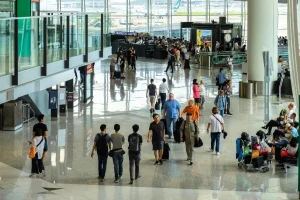
Travelers reported extended wait times, crowded terminals, and difficulty rebooking flights as airlines struggled to recover from the weather disruption. Departure delays at DFW ground stop climbed to an average of 90 minutes during the height of the storm activity, with officials warning that delays could continue even after the ground stop ended.
The situation was also difficult at Dallas Love Field, where the FAA issued a similar advisory. Love Field recorded dozens of cancellations and nearly 90 delays as operations slowed throughout the afternoon.
Read more: Delta Flight
What the FAA Ground Stop DFW Order Means
A ground stop is one of the FAA’s strongest air traffic control measures. During a ground stop, flights destined for an affected airport are prevented from departing from their origin airports until conditions improve. The action helps reduce congestion and prevents aircraft from circling in dangerous weather while waiting for landing clearance.
In the case of the FAA ground stop at DFW, incoming aircraft bound for North Texas were temporarily held at airports across the country. Because DFW ground stop Airport serves as a major connecting hub for American Airlines, the disruption quickly spread across the national aviation network.
Industry analysts noted that even a brief operational pause at DFW due to a ground stop can create widespread scheduling problems due to the airport’s enormous passenger volume and airline traffic. Missed connections, aircraft repositioning issues, and crew scheduling issues can continue to affect flights for hours or even days after storms pass.
Severe Storms Prompt Emergency Air Traffic Measures
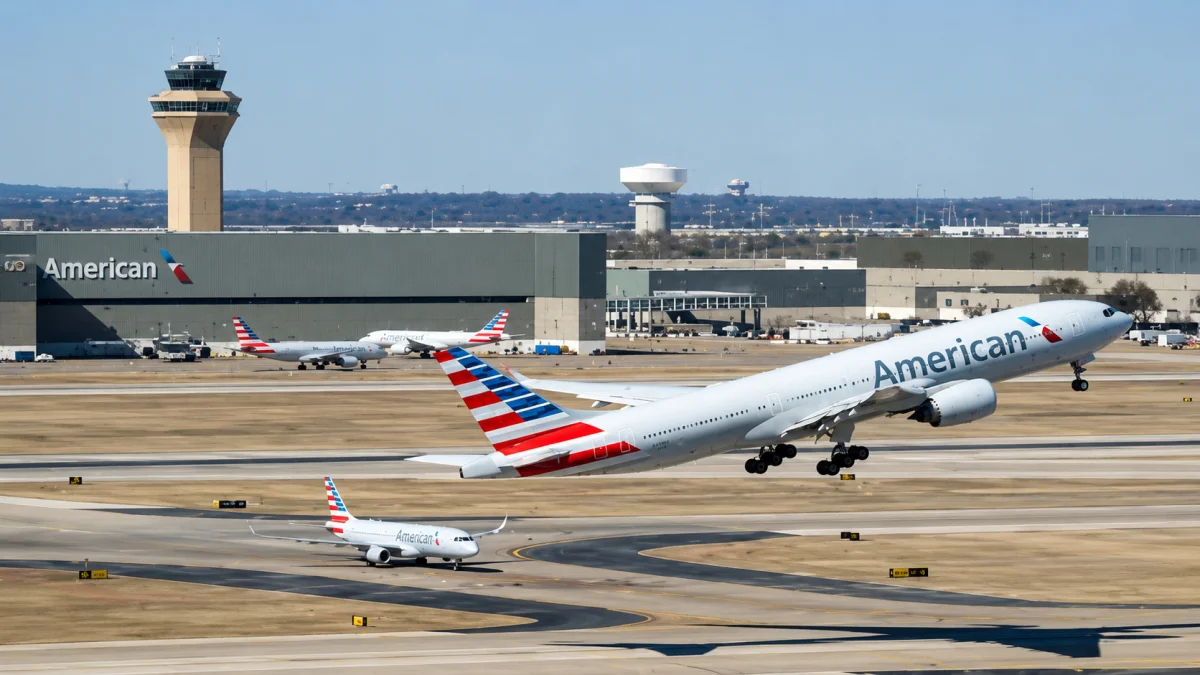
The National Weather Service warned that a line of strong thunderstorms would move from north to south across North and Central Texas during the day. Forecasters cautioned that isolated hail and damaging wind gusts posed significant risks to aviation operations.
As weather conditions deteriorated, FAA officials extended operational restrictions and monitored whether additional delays would be needed. The agency reportedly indicated there was a 30% to 60% chance the ground stop could be prolonged depending on storm intensity and airport conditions.
Passengers at DFW ground stop Airport described packed gate areas and rapidly changing flight schedules as airlines attempted to manage the crisis. Several travelers were forced to wait hours for updated departure times or replacement flights as customer service lines grew across terminals.
Read more: Spirit Airlines
American Airlines Faces Major Operational Pressure
Because DFW ground stop Airport, American Airlines’ central hub, was ground-stopped, the carrier experienced the largest operational impact during the storm. American operates hundreds of daily departures from the airport, meaning even temporary shutdowns can affect flights nationwide.
Regional airline partners and connecting carriers also faced difficulties as aircraft and flight crews became stranded outside Texas. Aviation experts warned that the disruption may continue affecting schedules into the following day as airlines work to reposition planes and staff. Meanwhile, Southwest Airlines operations at Dallas Love Field also experienced delays and cancellations, adding to the growing travel problems throughout North Texas.
DFW Airport Slowly Returns to Normal Operations
Later FAA updates indicated that some restrictions began easing as storm systems moved out of the area. Real-time airport status information eventually showed that general departure and arrival delays at DFW ground stop Airport had improved significantly.
Still, aviation officials warned passengers to continue checking airline alerts and flight schedules because weather-related disruptions often create lingering operational issues. Travelers heading through DFW Airport were advised to arrive early, monitor airline notifications, and prepare for possible delays as airlines continue to recover from the severe weather event.
The latest DFW ground stop serves as another reminder of how quickly severe Texas storms can disrupt one of America’s busiest aviation hubs, impacting thousands of passengers across the country in just a matter of hours.